Key Takeaways
- Meningococcal ACYW vaccination is required for Hajj and Umrah pilgrims.
- Drink water regularly and avoid walking in the midday sun.
- Look after your feet – blisters are the most common complaint.
- Free wheelchairs and electric carts are available at the Haram for elderly pilgrims.
In this article
Hajj and Umrah are physically demanding: long walks, heat, crowds and changes in food and sleep. A little preparation keeps you healthy so you can make the most of every moment in the Haramain.
Before You Travel
- Meningitis vaccine: The quadrivalent (ACYW) meningococcal vaccine is required by Saudi Arabia for Hajj and Umrah pilgrims. Take it at least 10 days before arrival and keep the certificate.
- Seasonal influenza vaccine is recommended, especially for elderly pilgrims and those with chronic illnesses.
- Get a full health check-up if you are over 60 or have diabetes, heart disease, high blood pressure or asthma.
- Start walking 3–5 km daily a month before travel to build stamina.
- Carry enough medicine for the whole trip, with a doctor’s prescription.
Saudi health requirements are updated by the Ministry of Health from time to time. We share the latest requirements with every pilgrim at the time of booking.
Beat the Heat
- Drink water and Zamzam regularly, even when not thirsty. Add ORS if you sweat a lot.
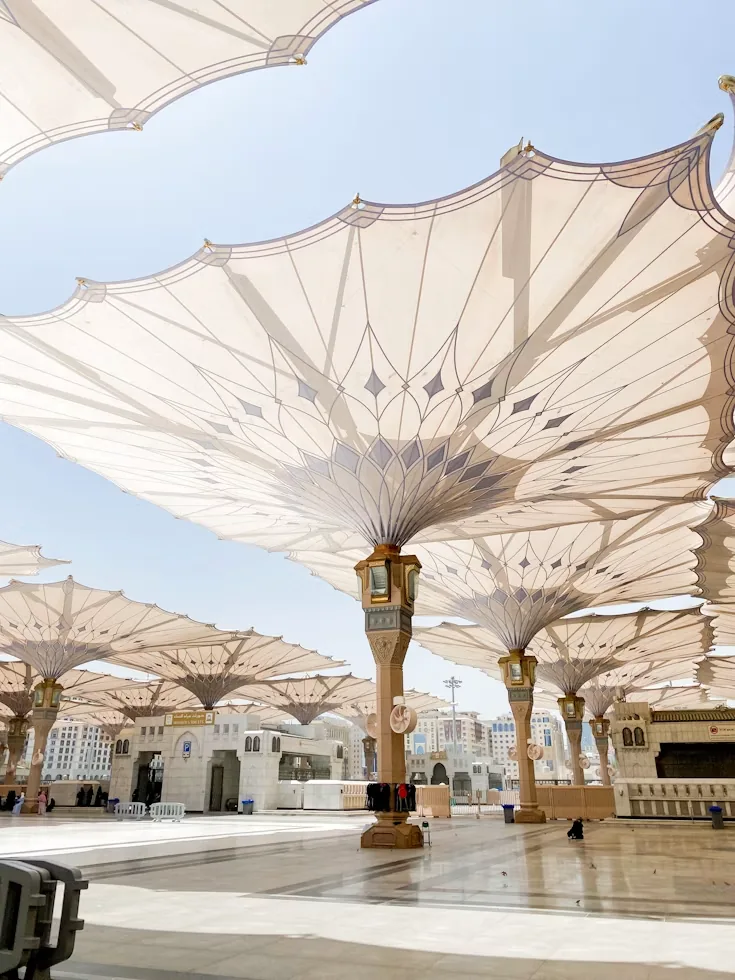
- Use an umbrella (allowed in Ihram) and unscented sunscreen.
- Plan rituals and Ziyarat for early morning or night.
- Rest in your hotel between Dhuhr and Asr during summer.
- Recognise heat exhaustion: dizziness, headache, nausea, heavy sweating. Move to shade, drink water and seek help.
Foot Care
You may walk 10–15 km a day. Wear broken-in footwear, keep feet dry, apply Vaseline to areas that rub, and treat blisters early with plasters. Diabetic pilgrims should check their feet every day.
Crowd Safety
- Always carry your hotel card and group leader’s number.
- Agree on a fixed meeting point (e.g. a numbered gate of the Haram) in case you get separated.
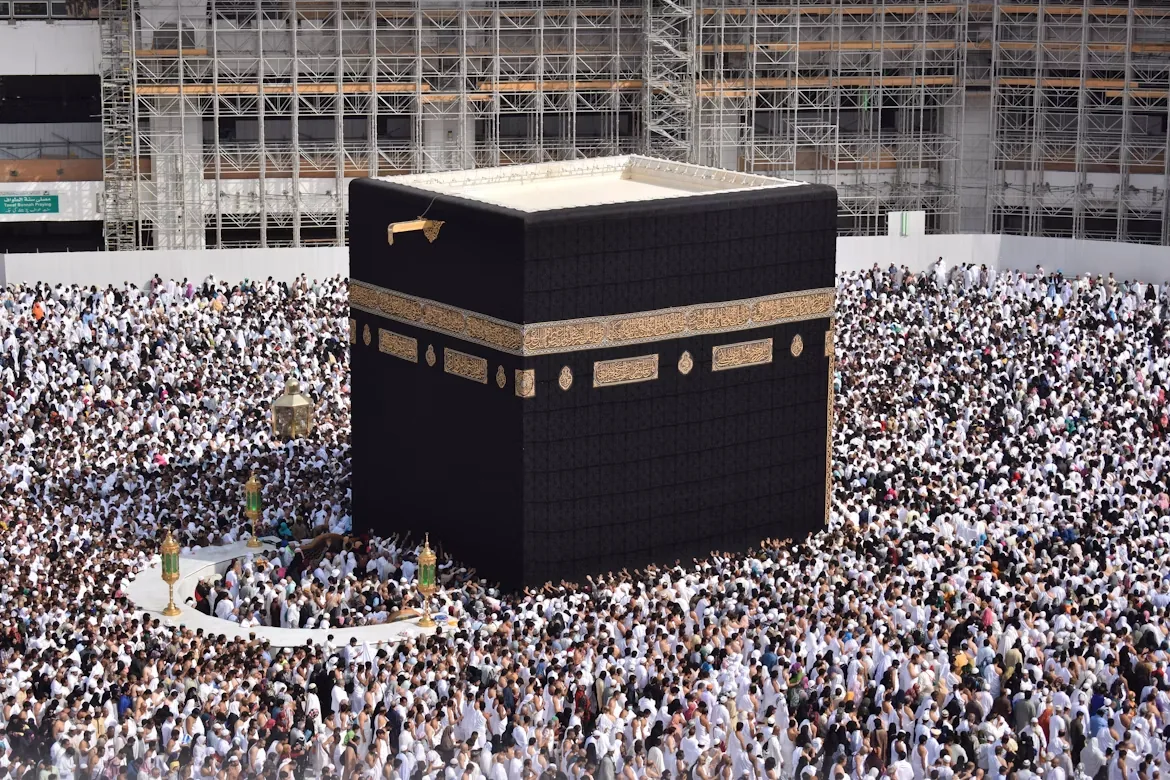
- Avoid pushing towards the Black Stone or Rawdah during peak times.
- Keep children close; write your phone number on a wristband for them.
- Use upper floors for Tawaf and Sa‘i when the ground floor is very crowded.
Food & Hygiene
- Eat freshly cooked food; avoid food that has been left out.
- Wash hands often or use sanitiser.
- Wear a mask in crowds – respiratory infections (“Hajj cough”) are common.
- Get enough sleep – fatigue weakens immunity.
Tips for Elderly & Differently-Abled Pilgrims
- Free wheelchairs are available at designated Haram gates; paid wheelchairs with pushers and electric carts are also available.
- Wheelchair-friendly paths exist on the upper floors for Tawaf and dedicated lanes for Sa‘i.
- Choose a hotel close to the Haram to reduce walking.
- Travel with a companion who can assist with rituals.
For Diabetic Pilgrims
Carry glucose tablets, a glucometer and snacks. Keep insulin cool using a cooling pouch, monitor sugar levels more often, and inform your group leader about your condition.
Ambulance: 997 • Police: 999 • Unified emergency: 911 (major cities). Medical centres operate inside and around the Haram.
Travel with experienced group leaders
Our team stays with the group throughout the trip and assists with medical needs.

Travel Point Team
Hajj & Umrah Specialists since 2014 · Gorakhpur, Uttar PradeshOur team has guided thousands of pilgrims from Gorakhpur and across India on Hajj and Umrah. These guides are written from first-hand experience to help you prepare with confidence. For religious rulings, please also consult a trusted scholar.